Outdoor Kitchen Design Tips for a Seamless Outdoor Living Experience in The Woodlands
For many homeowners, cooking and dining outdoors is more than a trend — it’s a lifestyle. A thoughtfully designed outdoor kitchen lets you prepare meals, host gatherings, and stay connected with family and friends without stepping away from the fun.
At JM Outdoor Living, we believe your outdoor kitchen should offer the same comfort, convenience, and craftsmanship as your indoor space — with materials and layouts built to thrive in the Texas climate. Here’s how to plan a design that works beautifully for both entertaining and everyday living.
1. Build for Convenience
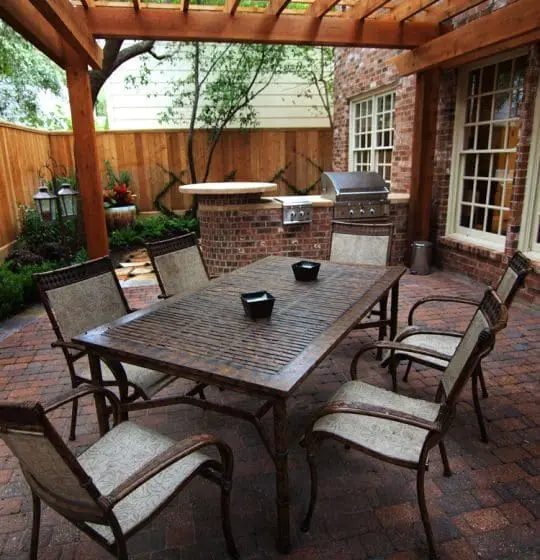
Stay part of the conversation — even while cooking. Position your outdoor kitchen close to your dining and lounge areas so everything flows naturally.
Plan for utilities early: water, gas, and electricity. Divide your layout into four functional zones — hot, cold, wet, and dry — to keep cooking efficient and organized. Group grills, pizza ovens, and smokers together, and place storage and prep areas nearby.
If you often host larger gatherings, separate traffic-heavy areas like the fridge or bar from the main cooking station to keep movement smooth and safe.
2. Choose the Right Location
Shading and airflow matter. Even the most durable outdoor kitchen deserves protection from constant sun exposure or high winds.
Position your kitchen so smoke moves away from your home and indoor windows, and consider how it looks from inside — a good view of your outdoor kitchen helps connect your spaces visually.
Avoid high-traffic play areas, and give yourself a dedicated cooking zone where you can focus and move freely.
3. Plan Features That Fit Your Lifestyle
Your design should reflect how you cook and entertain. Start with the essentials — grill, counter space, and storage — and build from there.
Include practical add-ons like trash bins, weatherproof cabinets, and built-in seating. If you plan to prep and serve outdoors, ensure you have plenty of counter space and easy access to refrigeration and storage so you’re not constantly running inside.
4. Design with Safety in Mind
Safety and comfort go hand in hand — especially when kitchens are near pools or play zones.
Use slip-resistant surfaces, maintain clear walkways, and choose shade structures made from non-flammable materials. If you’re incorporating pergolas or arbors, position them to provide shade while keeping grills safely ventilated.
5. Invest in Durable, Low-Maintenance Materials
Your outdoor kitchen should stand the test of time. Choose materials that handle heat, moisture, and grease with ease — such as natural stone, stainless steel, and porcelain tile.
For flooring and countertops, select finishes that resist staining and clean easily. These details make daily use (and cleanup) much more enjoyable.
6. Illuminate the Space
Extend your evenings outdoors with well-placed lighting. Use task lighting above prep areas and grills so you can cook confidently after sunset.
Add accent lighting for ambiance, and check that all fixtures are rated for wet or damp conditions. For added comfort, consider mosquito-repellent lanterns or citronella lighting to keep the space inviting year-round.
7. Design for the Way You Live
Not every outdoor kitchen needs to be large — it just needs to be intentional. A simple grill island with bar seating can transform how you use your backyard.
When built thoughtfully, even compact outdoor kitchens become the heart of the home — where cooking, conversation, and connection all come together.
To ensure your project is built to last, partner with experienced landscape and outdoor living designers in The Woodlands who understand how structure, proportion, and material choices work together. It’s the difference between a good project and one that truly feels complete.
Custom Outdoor Kitchens in The Woodlands
Patio Covers & Pergolas in The Woodlands